
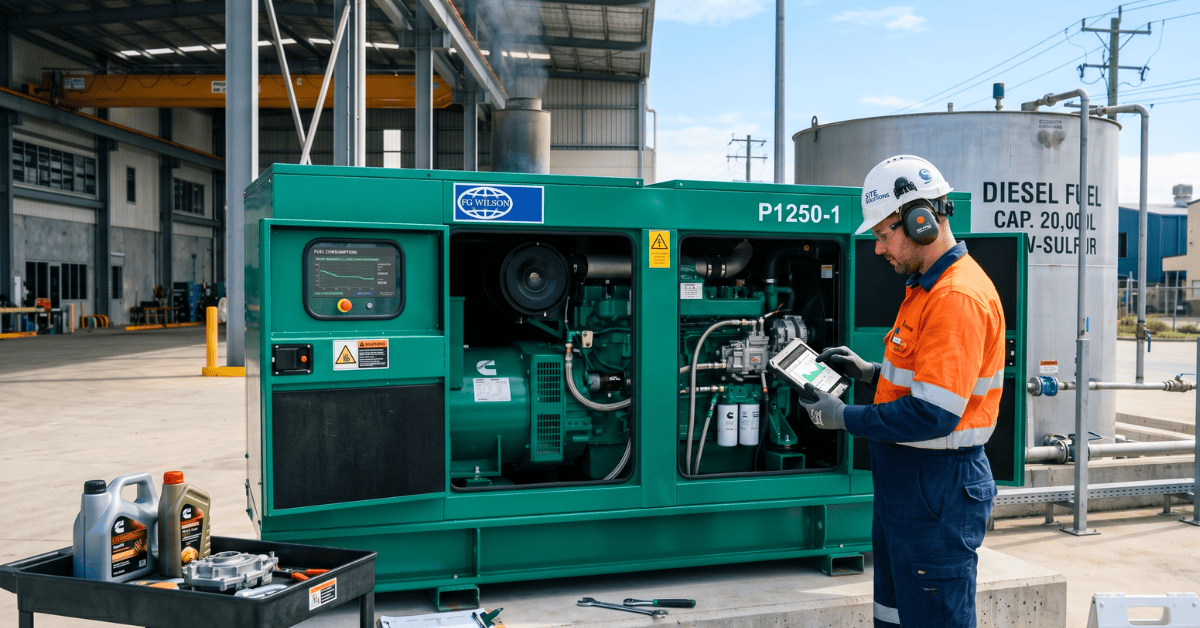
If you want to know how to save generator fuel, focus on regular maintenance, proper load management, clean air filters, quality diesel, and avoiding unnecessary idle running. These simple practices help improve generator efficiency, reduce diesel consumption, and extend the life of your diesel generator.
Introduction
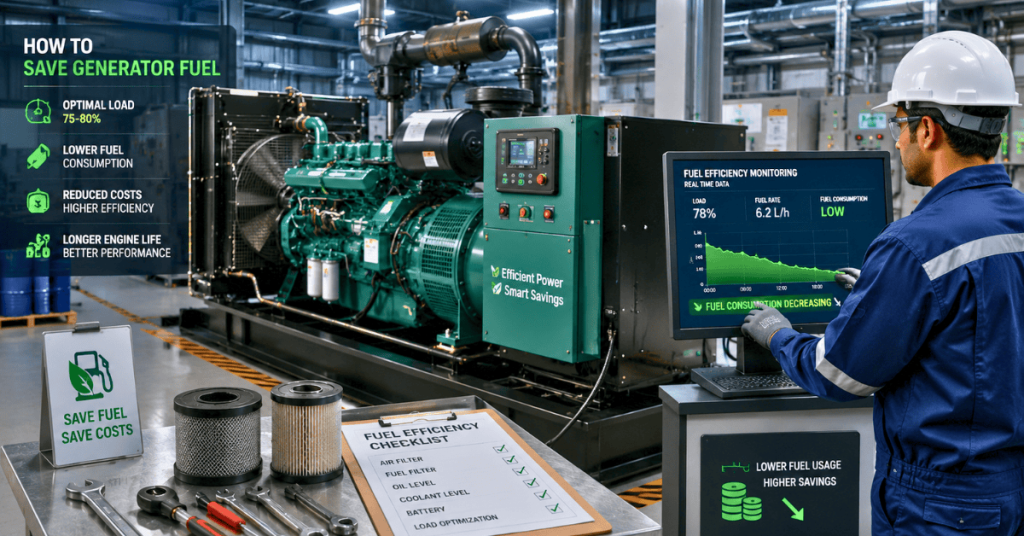
Diesel prices continue to rise globally, making generator operating costs a major concern for industries, businesses, farms, construction sites, and even residential users. Because of this, many users are searching for practical ways on how to save generator fuel without affecting performance or reliability.
A diesel generator is designed to provide dependable backup power, but poor maintenance, incorrect operation, and unnecessary loading can significantly increase fuel consumption. Even small operational mistakes can lead to major diesel wastage over time.
The good news is that fuel savings are possible with proper planning, preventive maintenance, and efficient operating practices. Whether you use a small backup DG set or a large industrial generator, implementing the right fuel-saving methods can reduce operating expenses and improve overall generator efficiency.
In this guide, we will explain the best strategies on how to save generator fuel, along with expert tips on how to reduce generator fuel consumption for long-term savings and better generator performance.
What is Generator Fuel Consumption?
Generator fuel consumption refers to the amount of diesel used by a generator to produce electricity. Fuel consumption depends on several factors including:
- Generator load
- Engine condition
- Fuel quality
- Maintenance practices
- Ambient temperature
- Operating hours
A diesel generator operating inefficiently consumes more fuel while delivering the same output power. Understanding fuel usage patterns is the first step toward improving fuel efficiency.
For example, an overloaded generator or one with dirty filters can consume significantly more diesel than a properly maintained DG set.
Why Generator Fuel Consumption Increases
Many generator users unknowingly waste fuel due to poor operational practices. Below are the most common reasons for excessive diesel consumption.
Poor Generator Maintenance
Dirty filters, worn injectors, old engine oil, and clogged fuel systems force the engine to work harder, increasing diesel usage. Check our Diesel Generator Maintenance: Checklist, Cost, Schedule and Log Book
Running the Generator at Low Load
Generators operating continuously under very low load conditions experience poor combustion efficiency, which increases fuel consumption.
Overloading the Generator
An overloaded generator consumes more fuel and may also suffer from overheating and reduced engine life.
Low-Quality Diesel Fuel
Poor-quality diesel can reduce combustion efficiency and create carbon deposits inside the engine.
Excessive Idle Running
Leaving the generator running unnecessarily during low power demand wastes a large amount of fuel.
Incorrect Generator Sizing
Using a generator larger than required often leads to inefficient fuel usage.
Best Ways to How to Save Generator Fuel
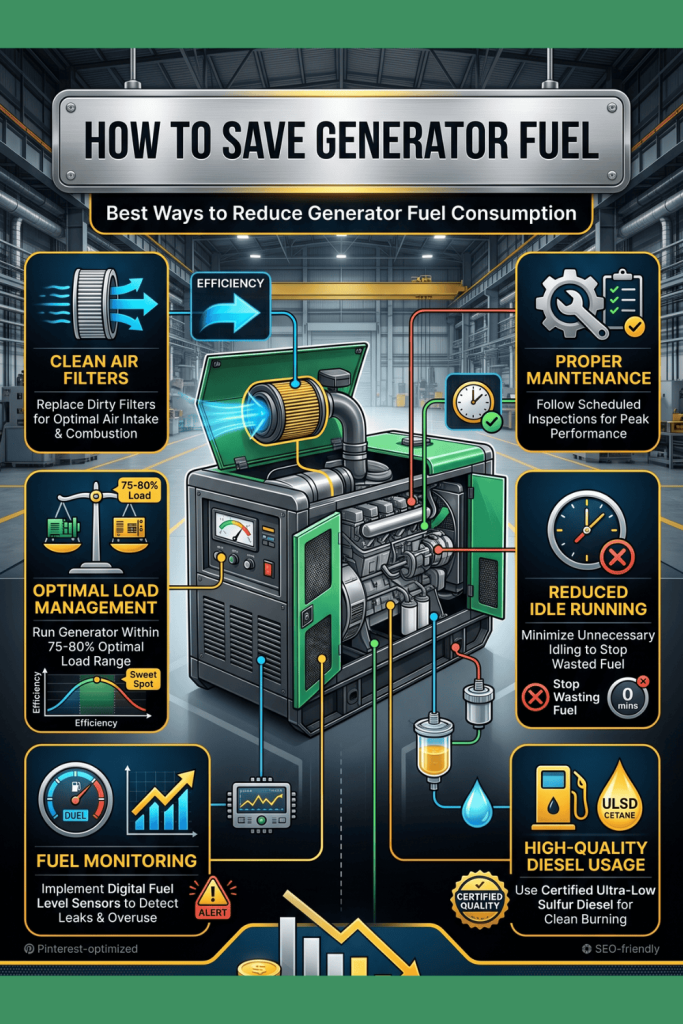
Perform Regular Generator Maintenance
Routine maintenance is one of the most effective ways to improve fuel efficiency.
Important maintenance activities include:
- Changing engine oil on schedule
- Cleaning or replacing air filters
- Checking fuel injectors
- Inspecting coolant levels
- Monitoring battery condition
- Cleaning radiator fins
A well-maintained diesel engine burns fuel more efficiently and produces better power output.
Benefits of Regular Maintenance
| Maintenance Activity | Fuel Saving Benefit |
|---|---|
| Air filter cleaning | Improves air intake efficiency |
| Oil change | Reduces engine friction |
| Injector servicing | Enhances fuel combustion |
| Cooling system check | Prevents overheating losses |
Operate the Generator at Optimal Load
Diesel generators perform best when operating between 60% and 80% load capacity.
Very low loads can cause:
- Wet stacking
- Incomplete combustion
- Carbon buildup
- Higher fuel wastage
Avoid operating generators continuously below 30% load unless recommended by the manufacturer.
Use High-Quality Diesel Fuel
Fuel quality directly affects combustion efficiency.
Using clean and high-quality diesel helps:
- Improve engine performance
- Reduce injector clogging
- Lower carbon deposits
- Enhance fuel economy
Always store diesel in clean containers and avoid water contamination in fuel tanks.
Clean or Replace Air Filters Regularly
A dirty air filter restricts airflow into the engine. This causes incomplete combustion and increased diesel consumption.
Signs of a clogged air filter include:
- Black smoke
- Reduced power output
- Higher fuel consumption
- Engine roughness
Cleaning air filters regularly is a simple but highly effective fuel-saving practice.
Avoid Excessive Generator Idling
Generators consume fuel even when they are not supplying significant electrical load.
To reduce fuel wastage:
- Turn off the generator during unnecessary idle periods
- Use automatic load management systems
- Schedule operations efficiently
Reducing idle time can significantly lower daily fuel costs.
Monitor Fuel Consumption Regularly
Tracking diesel usage helps identify abnormal fuel consumption early.
You can monitor:
- Liters per hour
- Load vs fuel ratio
- Daily diesel usage
- Monthly operating cost trends
Fuel monitoring systems are especially useful for industrial generators and large DG sets.
Use Proper Generator Sizing
Generator sizing plays a major role in fuel efficiency.
An oversized generator:
- Runs inefficiently at low load
- Consumes unnecessary diesel
- Increases maintenance cost
An undersized generator:
- Gets overloaded
- Burns more fuel
- Experiences engine stress
Always select a generator based on actual power demand calculations.
Reduce Electrical Load Where Possible
Reducing unnecessary electrical load directly lowers generator fuel consumption.
Practical methods include:
- Switching to LED lighting
- Using energy-efficient motors
- Turning off unused equipment
- Avoiding peak load spikes
Lower electrical demand means lower diesel consumption.
Expert Tips on How to Reduce Generator Fuel Consumption
Use Preventive Maintenance Schedules
Preventive maintenance helps avoid fuel inefficiencies before they become serious problems.
Create a maintenance checklist including:
- Weekly inspections
- Monthly servicing
- Oil analysis
- Fuel filter replacement
- Battery testing
Keep Cooling Systems Efficient
Overheating reduces engine efficiency and increases diesel consumption.
Check:
- Coolant levels
- Radiator cleanliness
- Cooling fan condition
- Thermostat performance
A properly cooled engine burns fuel more effectively.
Maintain Proper Lubrication
Using the correct engine oil grade reduces internal friction and improves fuel economy.
Always follow manufacturer recommendations for:
- Oil type
- Oil viscosity
- Oil change intervals
Train Generator Operators
Improper operation often leads to unnecessary fuel wastage.
Operator training should include:
- Correct startup procedures
- Load management
- Shutdown practices
- Emergency handling
Well-trained operators can greatly improve generator efficiency.
Install Energy Monitoring Systems
Modern energy monitoring systems provide real-time data about:
- Fuel usage
- Power output
- Engine performance
- Load trends
This data helps identify opportunities for fuel savings.
Common Mistakes That Waste Generator Fuel
Many users unknowingly increase diesel expenses through avoidable mistakes.
Common Fuel-Wasting Practices
- Ignoring maintenance schedules
- Using contaminated diesel
- Operating at very low load
- Delaying oil changes
- Running oversized generators
- Allowing excessive idling
- Using clogged air filters
- Overloading the generator
Avoiding these mistakes can significantly improve fuel economy.
Generator Fuel Saving Checklist
| Checklist Item | Status to Check |
|---|---|
| Air filters cleaned | Yes/No |
| Engine oil changed | Yes/No |
| Fuel filters replaced | Yes/No |
| Cooling system inspected | Yes/No |
| Generator load optimized | Yes/No |
| Idle time minimized | Yes/No |
| Fuel quality verified | Yes/No |
| Injectors serviced | Yes/No |
| Battery condition checked | Yes/No |
| Fuel monitoring maintained | Yes/No |
Benefits of Fuel Efficient Generator Operation
Improving generator fuel efficiency offers several long-term advantages.
Lower Operating Costs
Reduced diesel usage directly lowers operating expenses.
Longer Generator Life
Efficient operation reduces engine stress and wear.
Lower Maintenance Expenses
Well-maintained generators experience fewer breakdowns.
Reduced Environmental Impact
Lower diesel consumption reduces emissions and pollution.
Improved Reliability
Fuel-efficient generators generally operate more smoothly and reliably.
Frequently Asked Questions
How can I save generator fuel easily?
The easiest way to save generator fuel is through regular maintenance, proper load management, reducing idle time, and using clean diesel fuel. Simple practices like cleaning air filters and changing engine oil can improve fuel efficiency significantly.
What causes high diesel consumption in generators?
High generator fuel consumption is usually caused by poor maintenance, clogged filters, low load operation, fuel contamination, overloading, and excessive idling.
Does generator load affect fuel consumption?
Yes. Generators operating at optimal load levels are more fuel-efficient. Very low or excessive loads increase diesel consumption and reduce engine efficiency.
How often should generator filters be cleaned?
Air filters should be inspected regularly and cleaned based on operating conditions. Dusty environments may require more frequent cleaning to maintain proper airflow and fuel efficiency.
Can old engine oil increase fuel consumption?
Yes. Old or degraded engine oil increases engine friction, causing the generator to consume more fuel during operation.
How to reduce generator fuel consumption in industrial generators?
Industrial generators can reduce fuel consumption through preventive maintenance, fuel monitoring systems, load optimization, proper sizing, and trained operator management.
Conclusion
Understanding how to save generator fuel is essential for reducing diesel costs, improving generator efficiency, and extending equipment life. Simple practices such as regular maintenance, proper load management, reducing idle time, and using quality fuel can deliver significant long-term savings.
If you are serious about lowering operational expenses, implementing these proven methods on how to reduce generator fuel consumption can make your diesel generator more reliable, efficient, and cost-effective.
Regular inspections, preventive servicing, and smart operating practices are the keys to maximizing generator performance while minimizing fuel wastage.